LLN Final Draft
While I was drafting my essay, I thought about people who felt like me, being apart of a culture but not feeling fully connected because of the language. I wanted to share my story to feel personal and so that my audience can truly understand what I was feeling. My goal was to show being Hispanic is not just about speaking Spanish it’s about the traditions values and pride that shape who am I. Drafting this essay has helped me realize how deeply important language can affect someone’s sense of identity. I learned that not speak ing Spanish doesn’t make me any less Hispanic it just means my connection to my culture is different. This reflection made me more confident in who I am and reminded me that my voice mattered so prs. Reading June Jordan’s “Nobody Mean More to Me than You and the Future Life of Willie Jordan” was a big moment for me because it showed me how powerful language can be especially as a black woman in today’s society. It made me feel proud of my voice and helped me see its value. The concept that affected me the most impacted me while writing was my rhetorical situation just having to think about my audience, purpose; and the message I want to get across. I realized that when I’m speaking my truth and intentional with my words people connect with my words more with what I’m saying. I also learned that literacy isn’t just about reading and writing it’s about using language to express who you are and where you come from. This essay helped me take power in my story, identity, and the way I use my voice to stand for my culture with pride.
Family gatherings have always been apart of my life down from special occasions to birthdays. We all come together and bring out the best energy in each other. I distinctly remember we were celebrating my aunt’s birthday. The kitchen was busy with food coming in and out. My cousins and I were running around the house playing tag while bachata was playing. Even though everyone was playing and having fun the party brought a feeling that I’ve been carrying for a while now. Even though I was surrounded with family I still felt a little disconnected because I couldn’t speak the language everyone was using.
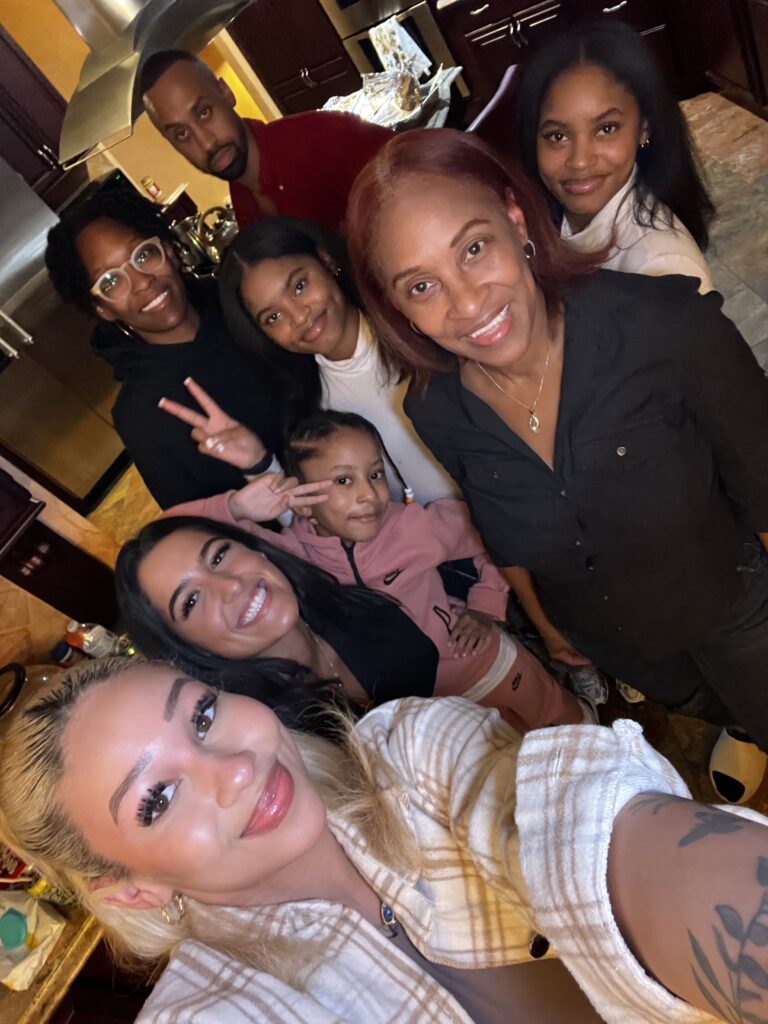
I listened to my cousins talking and joking in Spanish. They spoke so fast it was like their words was part of the music. I wanted to join but I couldn’t it was these moments like this I felt out of place in my own culture. It wasn’t that I didn’t belong, but it was just hard to feel included when I didn’t understand anything being said. I realized then how much language can shape the way someone feels connected to their culture. I remember one moment clearly my aunt leaned over during the party and asked me “Como estas?” Immediately my stomach dropped I lost my appetite. Everyone at the table turned towards me waiting for my response but I froze. I understood what she said but I couldn’t put the words together fast enough to understand. I had a answer in my heart but not in my mouth. I forced out a nervous laugh hoping no one noticed how lost I was. My mom answered for me and the conversation moved on but the embarrassment stayed. In a room full of people I loved I felt like I was standing on the outside of my home wishing I could step in but not knowing how.
This wasn’t the first time I felt this way. Growing up people often assumed I spoke Spanish because I was Honduran. The second I told them I didn’t understand, question was all over their faces. It was like my identity was always being judged by something that for me was missing. These moments highlight how closely language is tied to cultural belonging and how not knowing it can make someone feel like an outsider. Growing up Spanish was never part of my household my mom does not speak it either. English was the only language we used at home
Even though I felt left out sometimes I also know I have more to identify then just language. Being Hispanic for me shows up in other ways through how my family cooks, the traditions we follow, music, and the values my mom has taught me. Sitting at that birthday party I felt proud and ashamed: proud of who I was and where I came from but ashamed that I couldn’t fully share in the language that connected everyone else. That experience helped me understand how culture isn’t one-size-fits-all. Not speaking Spanish doesn’t make me any less of being Hispanic. It just means my connection just looks differently from others. Languages can bring people close, but it can create a divide. For me it has been both: while not knowing Spanish sometimes makes me feel like I have to prove myself it has also pushed me to think about my identity in a deeper way. Simultaneously, I have realized that honoring my cultural heritage involves more than merely communicating in the language or engaging in family customs. It focuses on the principles my family instilled in me and the strength derived from belonging to a community with common origins. Considering my experiences, I acknowledge that minor instances such as laughter during family reunions or the warmth of classic meals have influenced my identity in ways that surpass language. By emphasizing these ties, I discover empowerment in my roots and satisfaction in the individual I am evolving into. This viewpoint motivates me to tell my story to others who may share similar feelings, emphasizing that their cultural identity is distinctive and significant, regardless of the situation.
In the end I realized that being Hispanic isn’t about the words you speak. It’s about tradition and pride and where you come from. My identity may not look exactly like others, but it is still real and meaningful like others. I may not have the language, but I carry my culture in other ways and that’s something I will always be proud of.

